Original sonnets

twenty-eight sonnets, written slowly.

Original sonnets

twenty-eight sonnets, each beside a painting.

Written for Arcadia: three quatrains and a closing couplet, in the old rhymed form, for the days that ask you to slow down.

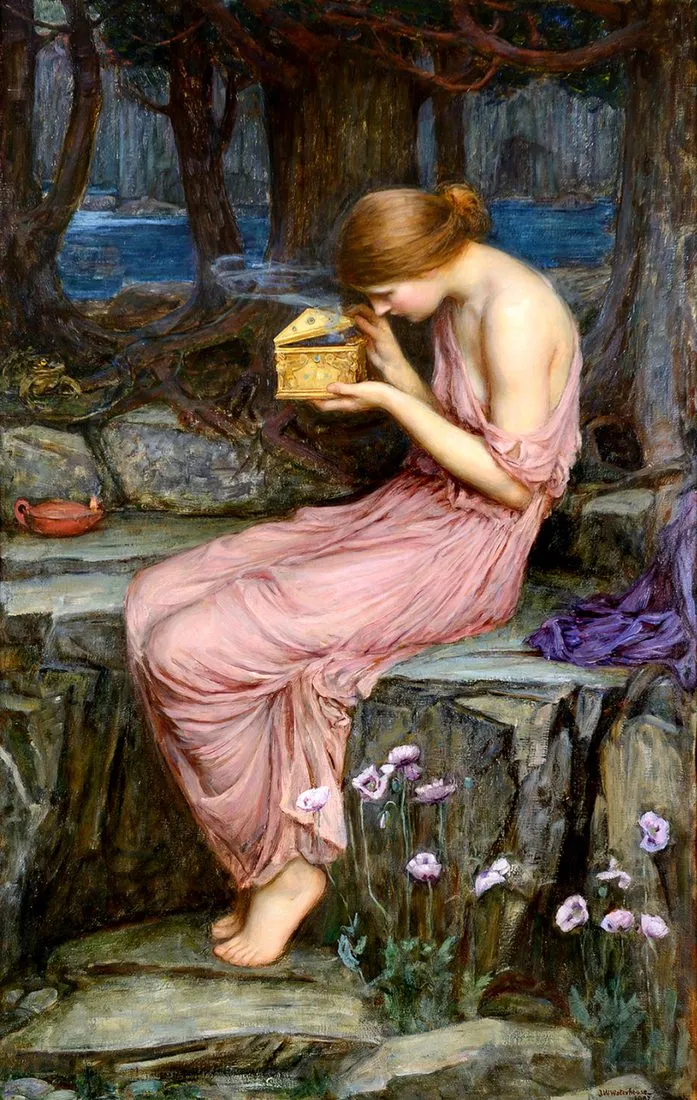
  1. Psyche Opening the Golden Box by John William Waterhouse (1903)

    Sonnet 01

    the slow way

    the rain takes all night long and does not mind,
    nor asks the garden when it will be through;
    so why should you, still tender, be unkind
    to the slow hours that mend what wounded you?

    the clock insists that mending is a race,
    and measures every morning by its yield;
    yet light moves slowly over a bare place,
    and patience is the way a wound is healed.

    so open up the curtains on the day,
    and let one patient morning be enough;
    you are not late; you are not led astray;
    and softness is no proof you are not tough.

    to slow down is not failing; it is how
    a hurried heart becomes more human now.

    Pictured: Psyche Opening the Golden Box, John William Waterhouse
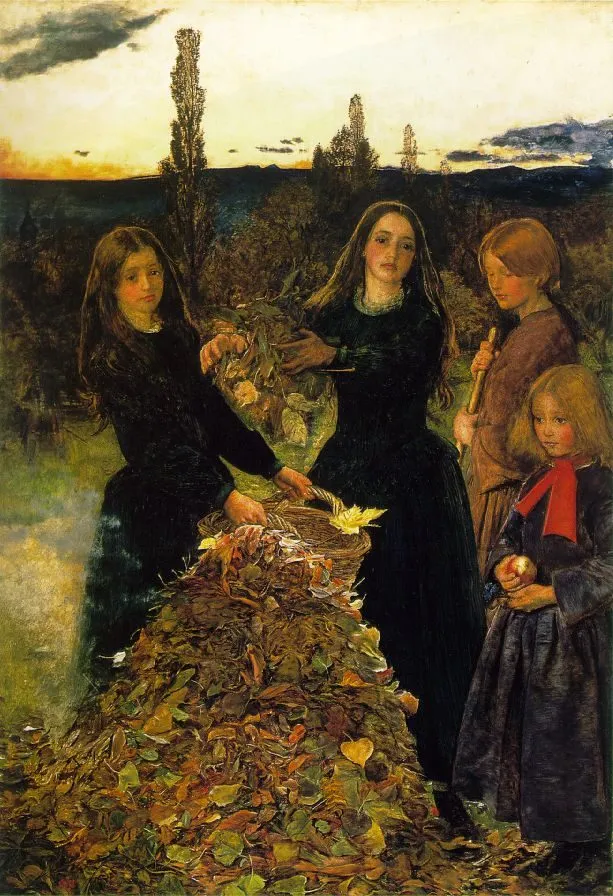
  2. Autumn Leaves by John Everett Millais (1855 to 1856)

    Sonnet 02

    what autumn knows

    the autumn lets its leaves go, unashamed,
    and no one calls the tree a thing undone;
    it stands among the cold, and is not blamed,
    and waits, and trusts the winter and the sun.

    so you may miss the one you were before,
    and grieve the summer that you cannot keep,
    and still be rooted, and be growing more,
    beneath the quiet where the seeds still sleep.

    no seed was ever rushed into a flower,
    no heart was ever bettered by a prize;
    the gentle, patient work of every hour
    is how a life, in its own time, will rise.

    the slow road bends toward warmth, and, bend by bend,
    it makes you more a human, and a friend.

    Pictured: Autumn Leaves, John Everett Millais

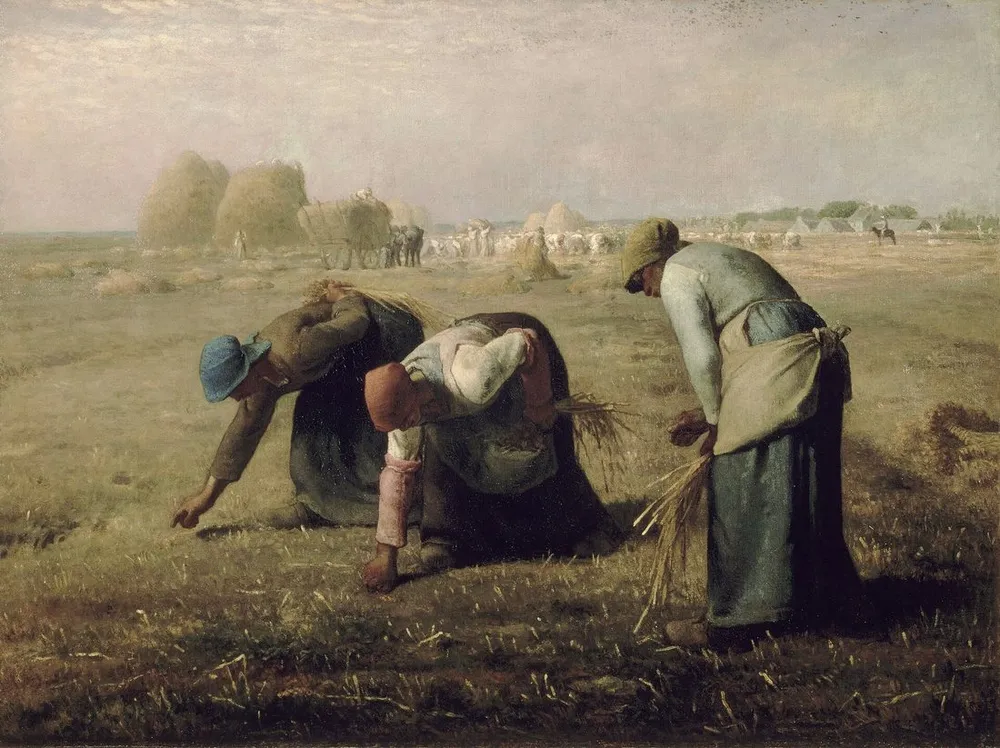
  3. The Gleaners by Jean-François Millet (1857)

    Sonnet 03

    the fallow field

    the field is left to fallow in the cold,
    and no one calls the resting soil a waste;
    yet you, who carried more than you could hold,
    were taught that rest was something to be chased.

    you took the weight of everyone's whole sky,
    and called it ambition, and did not stop,
    and never once stood still to ask it why,
    or let your tired hands, for once, just drop.

    a life of only giving, hour on hour,
    is a long way of missing, bit by bit,
    the life itself, its sunlight and its shower,
    and never finding any place to sit.

    so set it down; the world will hold until
    you rest, and are a person, and are still.

    Pictured: The Gleaners, Jean-François Millet

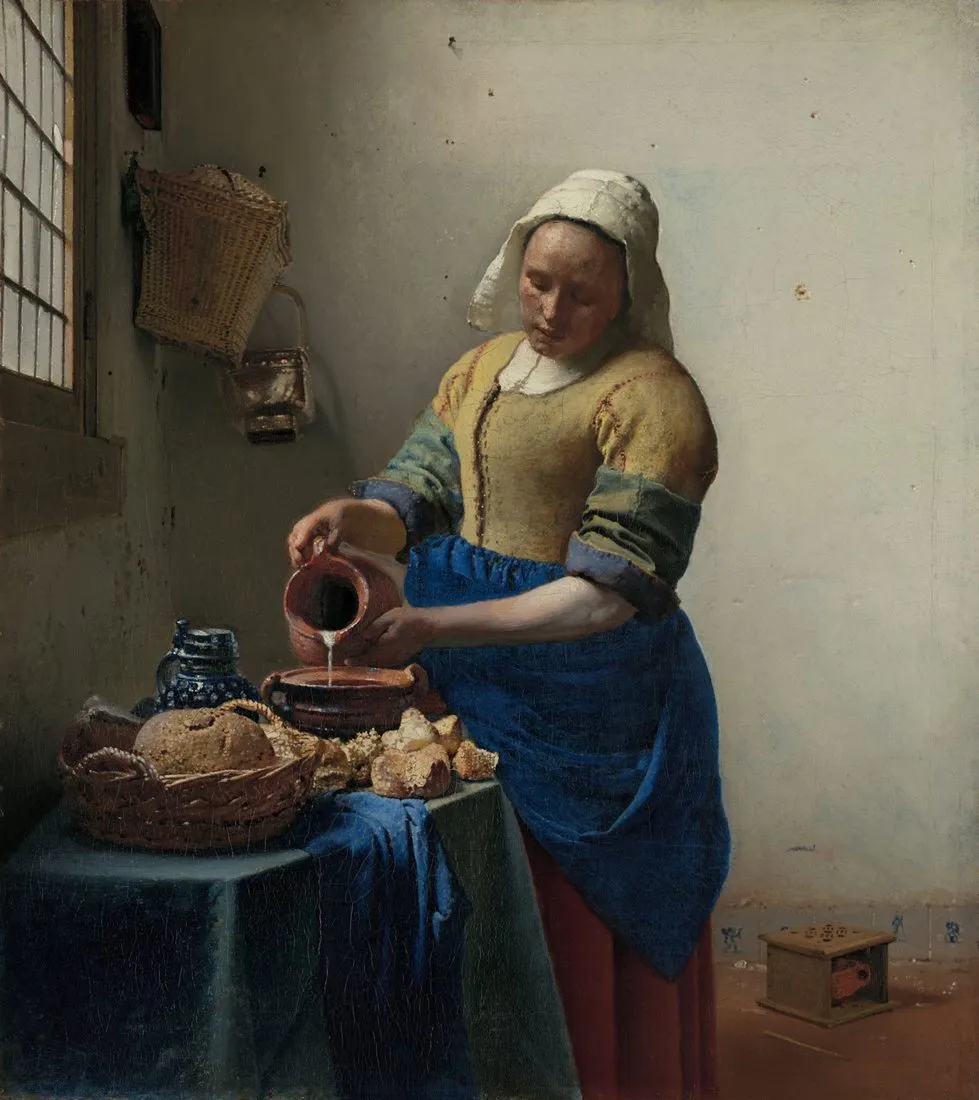
  4. The Milkmaid by Johannes Vermeer (c. 1657 to 1658)

    Sonnet 04

    the lamp in the kitchen

    the lamp is lit; the dishes wait their turn;
    the day has taken everything it could;
    you wore your tiredness as a thing to earn,
    and called it duty, called it being good.

    but status asks for crowns you cannot wear,
    and every race is run against the dark;
    no ranking ever taught a soul to care,
    no prize has ever lit a single spark.

    the life you want is not behind the rush,
    it sits beside you in the evening glow;
    it lives inside the quiet and the hush,
    and asks of you one thing: to go more slow.

    so be unfinished; let the evening be
    the one true thing the rushing could not see.

    Pictured: The Milkmaid, Johannes Vermeer

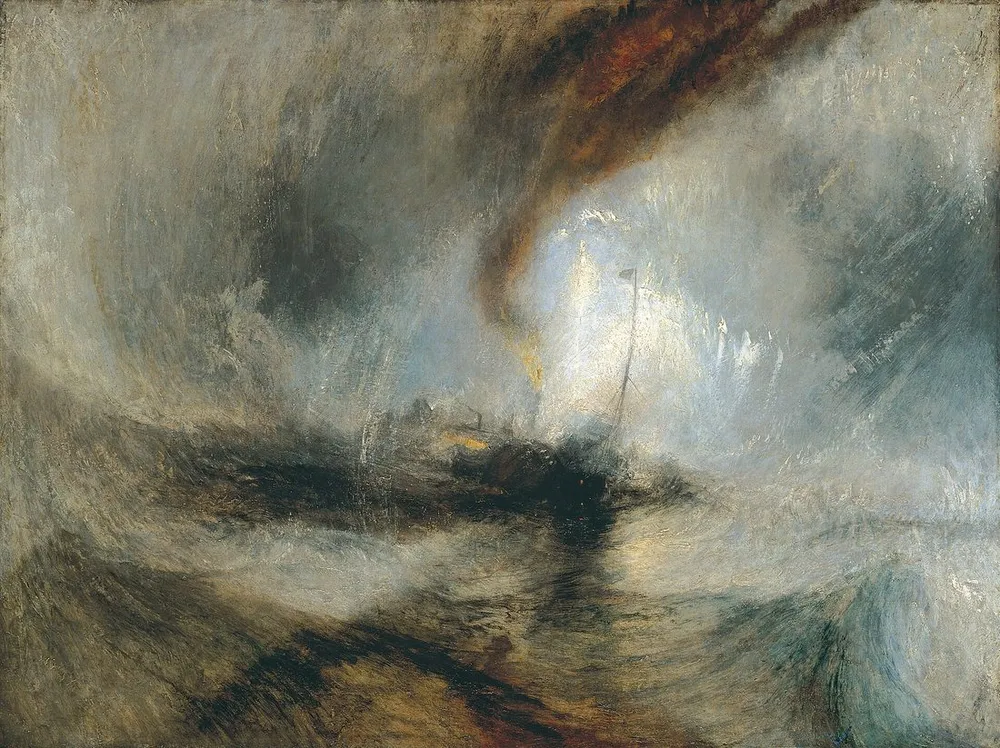
  5. Snow Storm: Steam-Boat off a Harbour's Mouth by J. M. W. Turner (1842)

    Sonnet 05

    weather

    you think that thinking faster makes you wise,
    that if you race the storm it cannot land;
    but storms are weather, passing through the skies,
    and never ask a sky to understand.

    a storm goes over like a passing guest,
    it rattles every window, and is gone;
    and you, beneath it, learn at last to rest,
    not solving it, but waiting for the dawn.

    the waves arrive in their own time, and you,
    with feet in cold water, learn to breathe out;
    no deadline has the sea, and no review;
    it only asks you stay, and not to doubt.

    one breath, and then another, soft and slow:
    this is what being here begins to show.

    Pictured: Snow Storm: Steam-Boat off a Harbour's Mouth, J. M. W. Turner

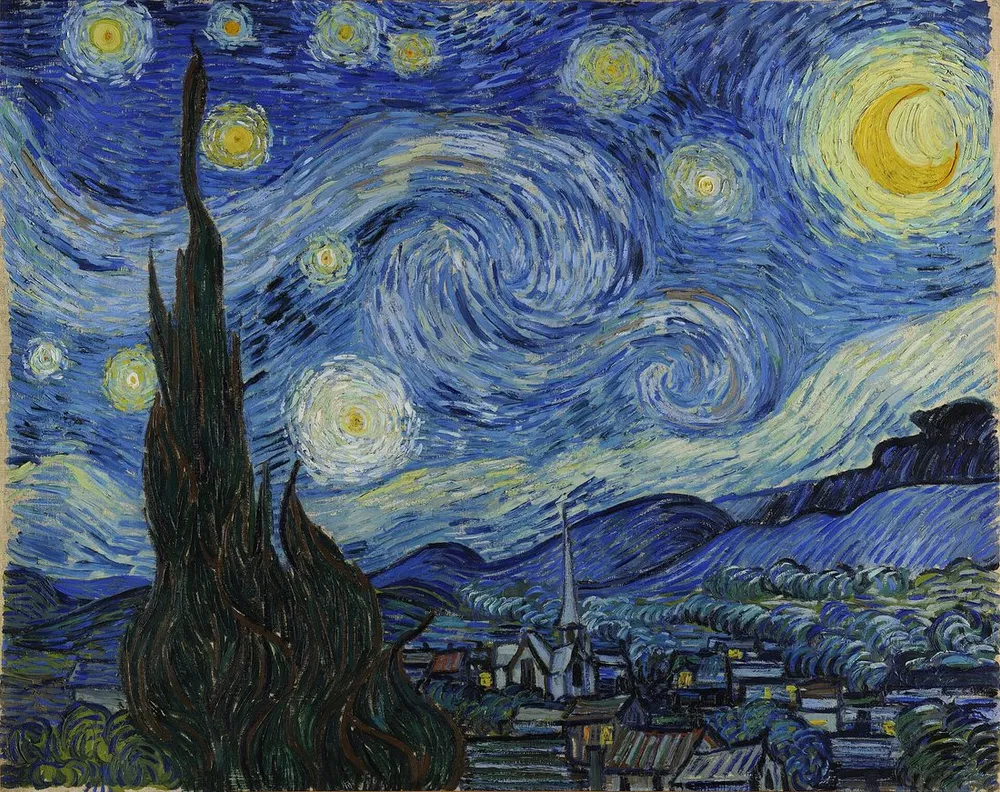
  6. The Starry Night by Vincent van Gogh (1889)

    Sonnet 06

    three a.m.

    at three a.m. the mind keeps on the clock,
    as though the dark were something to be won;
    but night is not a verdict, not a knock
    of judgment on the things you left undone.

    it is the hour that was not made to serve,
    a field of quiet, wide and starred and deep;
    it asks of you no answer, and no nerve,
    a lamp, a breath, a hush that you can keep.

    you may be frightened and still take one stair,
    one small step toward morning, then one more;
    the window is a little, but it's there,
    and light is coming, as it came before.

    and morning comes the way it always came:
    unhurried; you may meet it just the same.

    Pictured: The Starry Night, Vincent van Gogh

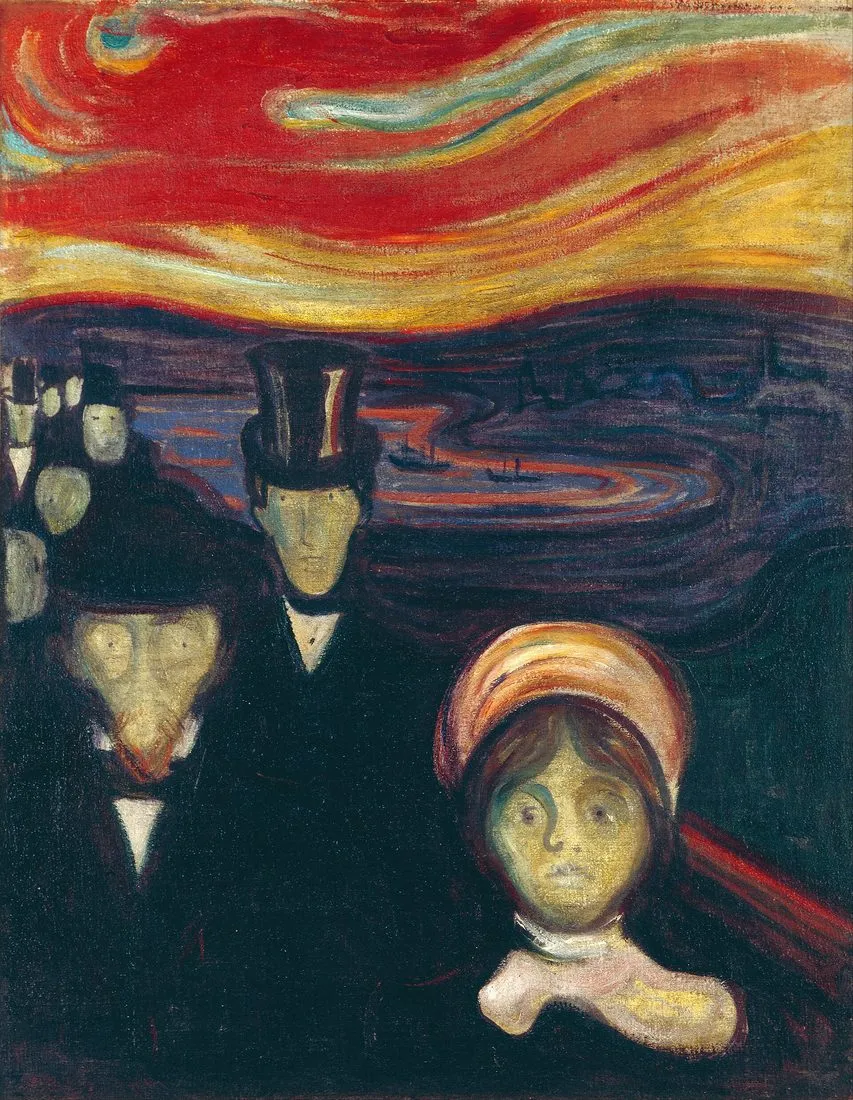
  7. Anxiety by Edvard Munch (1894)

    Sonnet 07

    the crowded street

    the street at noon is full of hurried feet,
    and every face goes by, and no one stays;
    you walk among them all, and do not meet
    one hand that knows your name, or what it weighs.

    a crowd may be the loneliest of seas,
    where all go past and no one drops a line;
    and so you long for company, for ease,
    for one warm hand, one answering human sign.

    to long to be known is not a thing to hide,
    it is the most human thing you do or are;
    so let one door, one guard, be set aside,
    and let one honest voice come from afar.

    you are less alone than this hour makes you feel:
    begin with one, and let the one be real.

    Pictured: Anxiety, Edvard Munch

  8. The Lady of Shalott by John William Waterhouse (1888)

    Sonnet 08

    a small knock

    we said a hundred things and none were heard,
    the evening settles with its quiet shape;
    the lamps come on, and no one says a word,
    and from that hush there seems no way to escape.

    you do not need a crowd to call your own,
    you need but one to say: i know, i see;
    a voice, a hand, a heart that is not stone,
    and knows what missing someone means to be.

    to miss a person is a way of love,
    and proof your heart is living, and not cold;
    it hums beneath the sky, like stars above,
    a thread of light no darkness can withhold.

    so reach out; send one word, however small:
    as little as a knock can open all.

    Pictured: The Lady of Shalott, John William Waterhouse
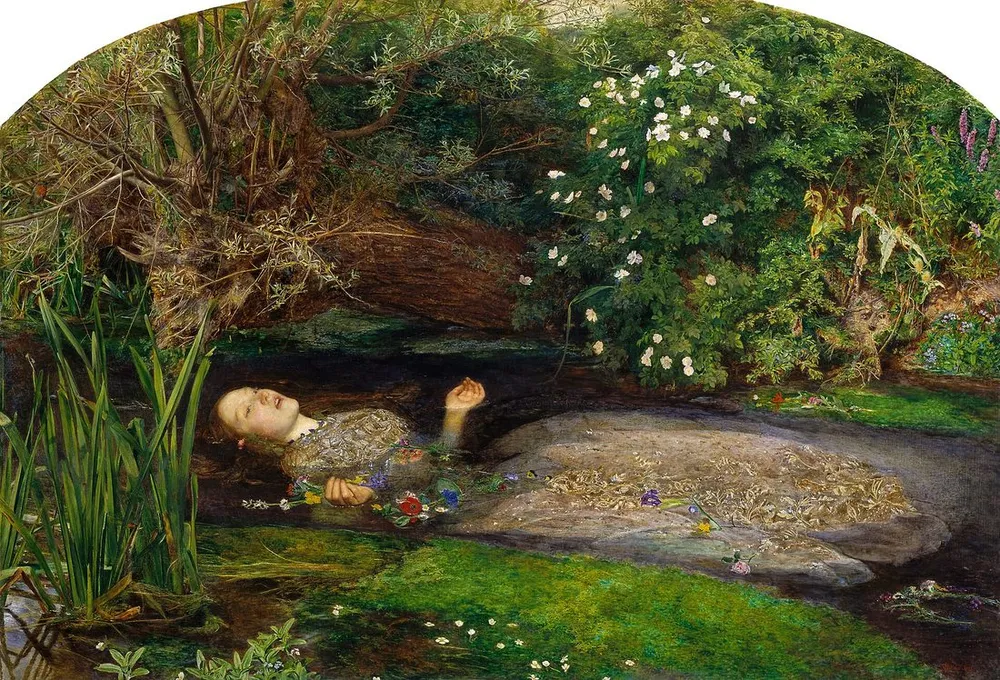
  9. Ophelia by John Everett Millais (1851 to 1852)

    Sonnet 09

    the second cup

    grief is the love that has no place to go,
    it falls like rain, and falls when it will fall;
    and no one tells the rain when it should slow,
    so no one has the right to rule it all.

    i set a second cup beside my own,
    and watch the steam say what i cannot say;
    the house is full of someone who has flown,
    and love goes on, though not in the same way.

    a world that hurries you away from tears
    has quite forgotten what it is to be
    a human being, mortal through the years,
    a creature made of love and memory.

    you carry love, and love will take its time;
    grieve slowly; slowness never was a crime.

    Pictured: Ophelia, John Everett Millais

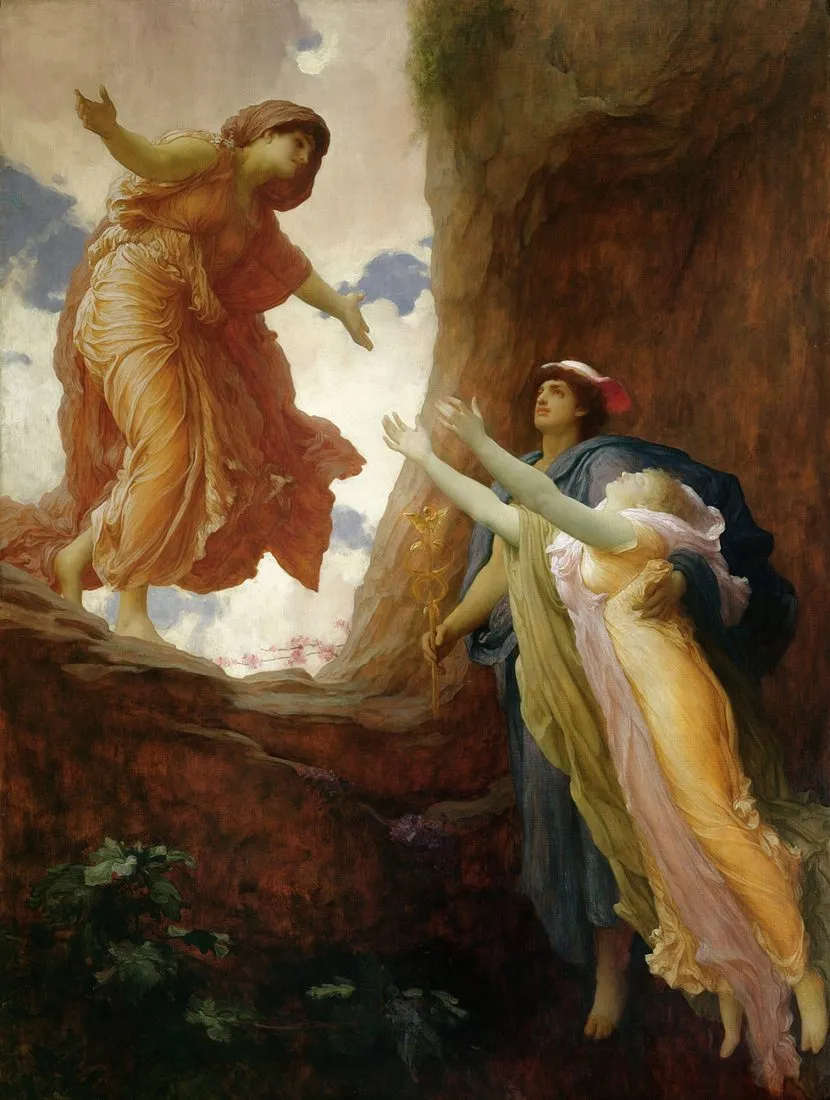
  10. The Return of Persephone by Frederic Leighton (c. 1891)

    Sonnet 10

    the roots in winter

    the sun rose on its schedule, though you wept,
    and you had not consented to the day;
    the world went on; its clocks and trains were kept,
    and you stood still, with all you could not say.

    you need not find a meaning in this year,
    or make of sorrow something to be used;
    you need but stay, and let the hour be near,
    and let the ache stand honest, and unexcused.

    the winter has not left the field for dead,
    beneath the snow the roots are holding on;
    and in the dark, where all the light has fled,
    a quiet thing is waiting for the dawn.

    the heart that aches like this can, in its time,
    be moved by simple things, and learn to climb.

    Pictured: The Return of Persephone, Frederic Leighton

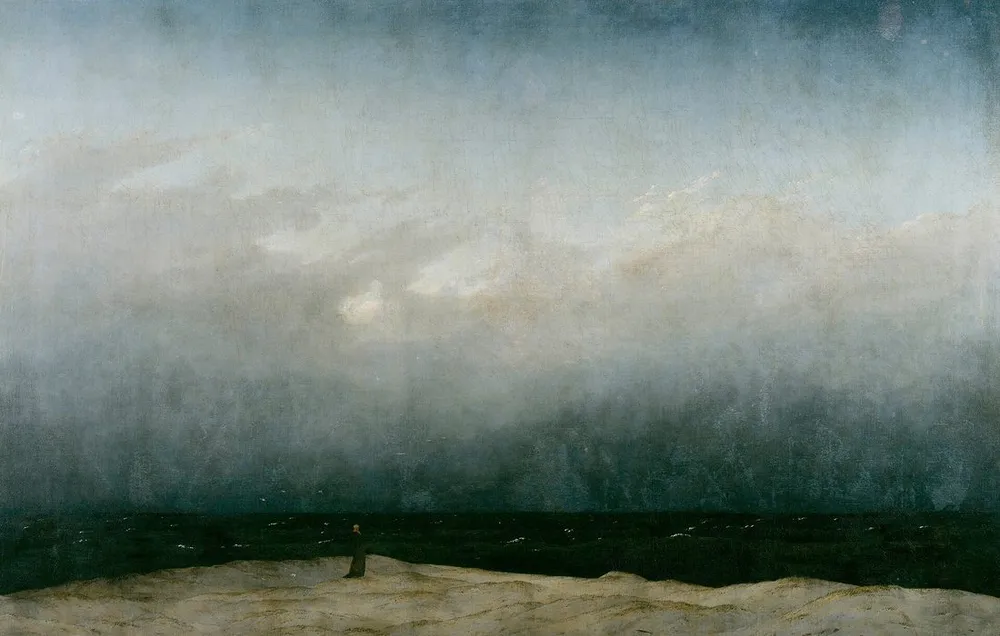
  11. The Monk by the Sea by Caspar David Friedrich (1808 to 1810)

    Sonnet 11

    you went quiet

    you did not lose yourself; you went away
    into a quiet while the world was loud;
    and that is where the deepest roots will stay,
    below the noise, unseen, and still unbowed.

    the dawn does not announce itself with sound,
    it comes as gray, and then as gold, and fair;
    and so you, too, are coming, and are found
    at a slow speed, and gently, and with care.

    let status ask the things you have become,
    life only asks if you are here, and whole;
    so lay your measures down, and hear the hum
    of being here, the music of the soul.

    come back, but gently; there's no score to keep:
    the human heart grows slowly, and grows deep.

    Pictured: The Monk by the Sea, Caspar David Friedrich

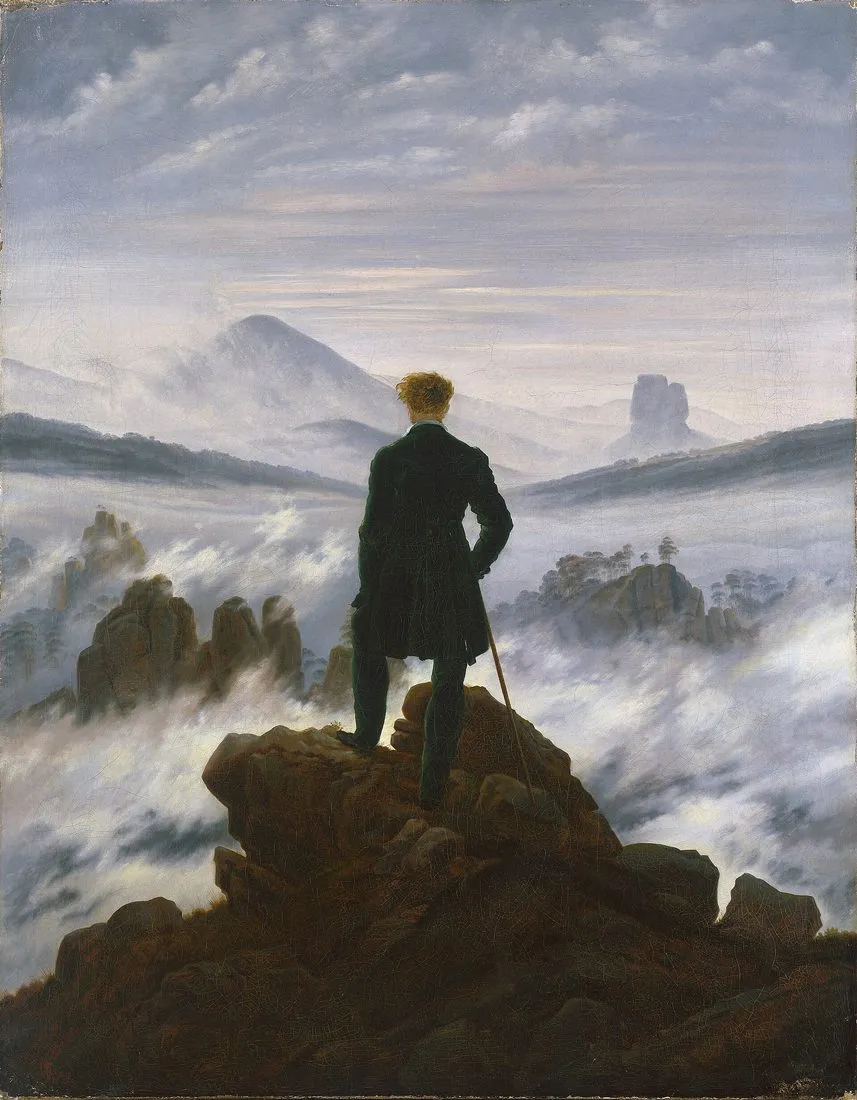
  12. Wanderer above the Sea of Fog by Caspar David Friedrich (c. 1818)

    Sonnet 12

    the long way home

    a river never takes the shortest way,
    it bends around the hills, and finds the sea;
    it wanders, and it lingers, and may stray,
    and still arrives, as patient things can be.

    you will meet the same lesson once again,
    and find it softer than it was before;
    not as a wound, or as a loop of pain,
    but as a wider room, a wider door.

    who you are underneath the résumé
    is not a title, nor a thing you earn;
    it is a person walking, as they may,
    toward every season, learning to return.

    so come home slowly; slowly lets you know
    the ground you walk on, and the way you grow.

    Pictured: Wanderer above the Sea of Fog, Caspar David Friedrich

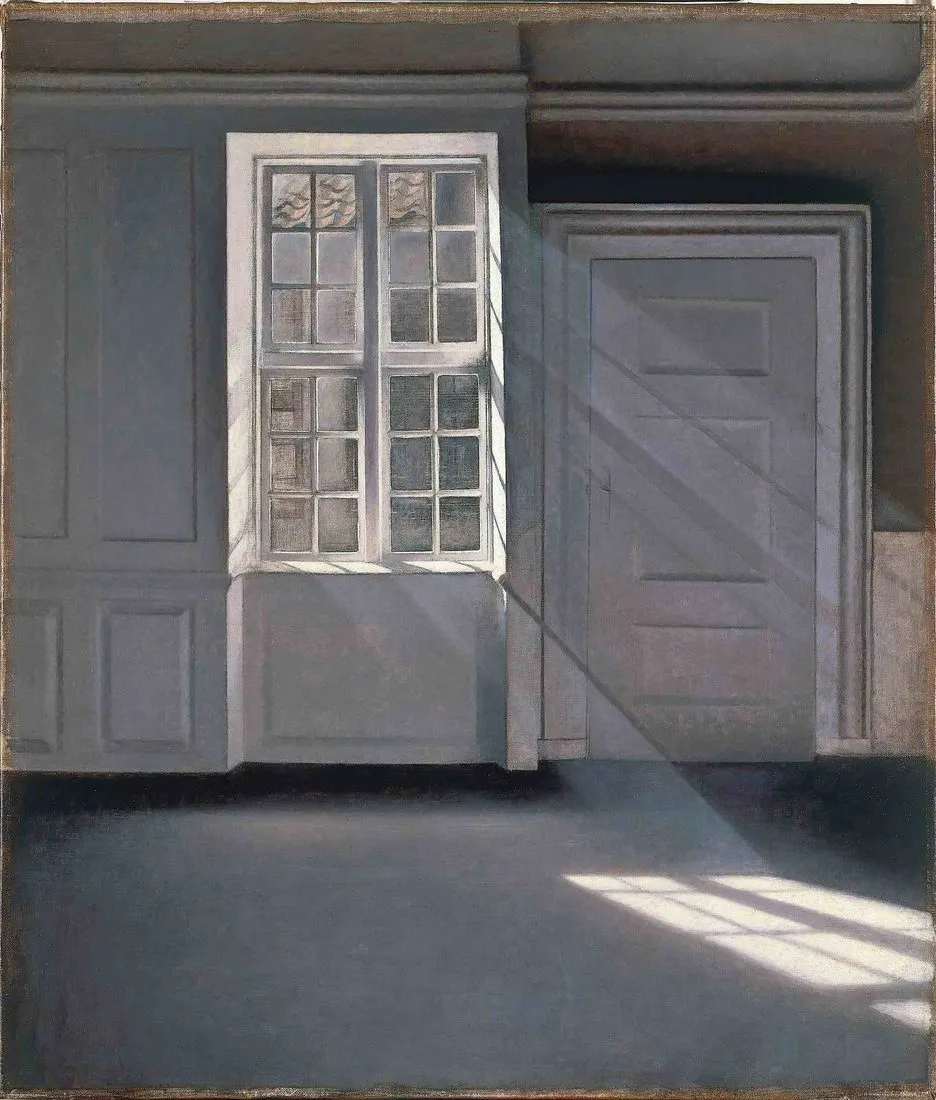
  13. Dust Motes Dancing in the Sunbeams by Vilhelm Hammershøi (1900)

    Sonnet 13

    just to be here

    what does it mean to be, and just be here?
    survival taught your eyes to look away
    but life is not the distant; life is near,
    from this one living, ordinary day.

    not problem, not a ladder, not a score,
    the day turns into night, and turns again;
    and you are in it, and you ask no more
    than light, and dark, and breath, and now, and then.

    the ordinary light, the evening sky,
    are not a prelude to a better thing;
    they are the thing itself, as time goes by,
    and being here is what the bells all sing.

    you are here, and here is where all things start;
    a good beginning, and a human heart.

    Pictured: Dust Motes Dancing in the Sunbeams, Vilhelm Hammershøi

  14. The Milkmaid by Johannes Vermeer (c. 1657 to 1658)

    Sonnet 14

    a small life

    a small life is a whole life, not a part,
    the quiet afternoons are living too;
    a grey sky and a wet street have their art,
    and slow tea is a kind of rendezvous.

    you are allowed to want a little less,
    and feel much more of what is in your hand;
    not ladders, but the hour's tenderness,
    the light that moves across the floor, unplanned.

    the morning comes in blurred, unfinished, slow,
    and is a morning still, and that is all;
    it asks for nothing but that you may know
    one thing, and hold it; it is not too small.

    notice one thing today, and keep it near:
    let that be enough: the whole of life is here.

    Pictured: The Milkmaid, Johannes Vermeer

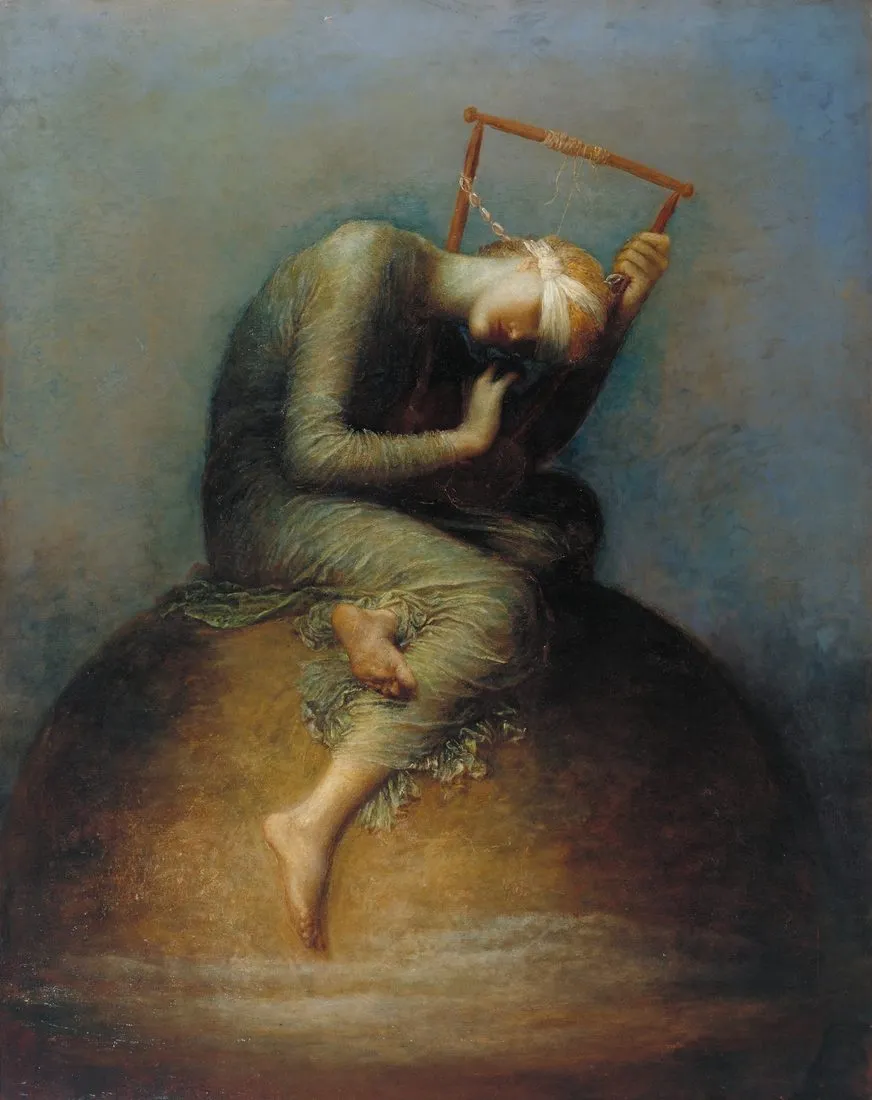
  15. Hope by George Frederic Watts (1886)

    Sonnet 15

    be kind to the beginner

    you came into this life without a map,
    and no one hands you one along the way;
    so when you stumble, don't call it a gap
    in who you are; it's learning, and you stay.

    a seedling does not scold itself to grow,
    it drinks the rain and trusts the turning year;
    the earth is patient, and the earth is slow,
    and no one hurries what is growing here.

    so teach yourself the way you'd teach a child,
    with steady hands, and patience, and a kind
    word after every fall, a voice that's mild,
    and room to learn, and time, and peace of mind.

    so be a beginner, and be glad to start:
    all learning is the labor of the heart.

    Pictured: Hope, George Frederic Watts

  16. The Return of Persephone by Frederic Leighton (c. 1891)

    Sonnet 16

    the garden you are

    you are a garden, not a finished thing,
    with weeds and roses growing side by side;
    each season has its own gifts it will bring,
    and none of them are something you must hide.

    the thorn belongs to roses, and the rain
    is just as much a part of what grows tall;
    you need not pull yourself up out of pain
    to prove that you are worthy, after all.

    so water what is tender; let it be,
    and give the shade a little room to stay;
    a garden is a patient history
    of light and dark, and yours is on its way.

    love what you've planted, though it is not through:
    the garden is already good, and so are you.

    Pictured: The Return of Persephone, Frederic Leighton

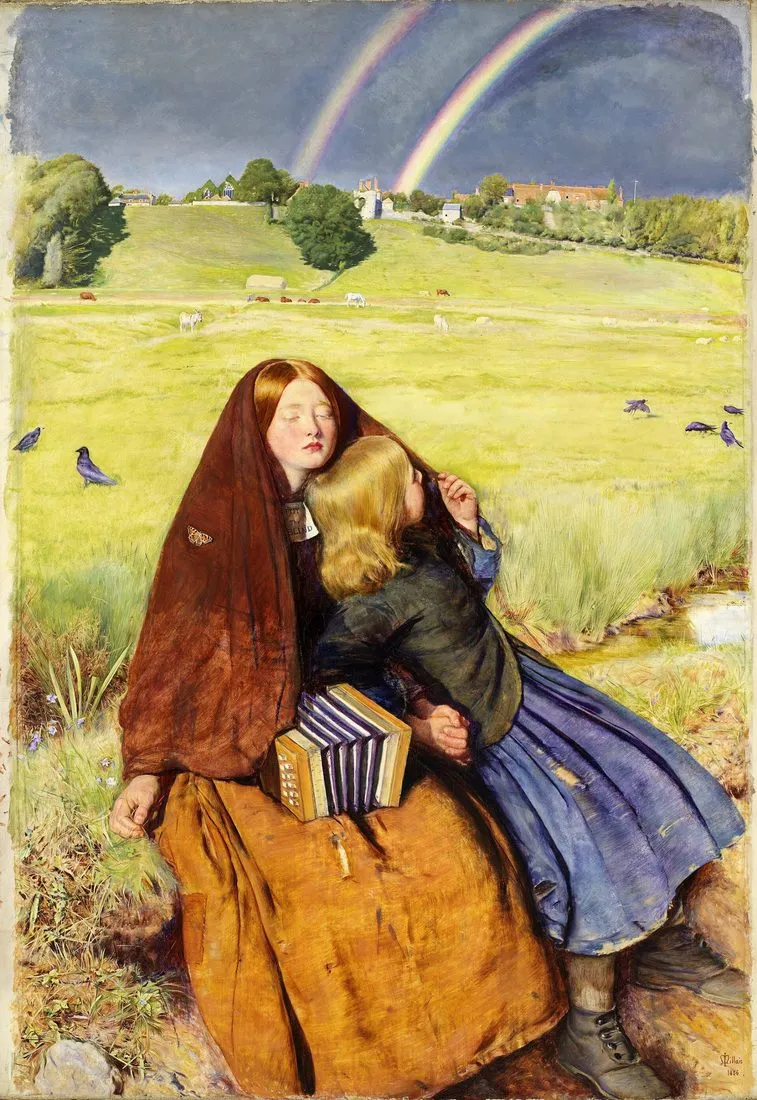
  17. The Blind Girl by John Everett Millais (1854 to 1856)

    Sonnet 17

    what you needed to hear

    somewhere a child inside you waits to hear
    the words that no one thought to say aloud:
    that you are loved, that you may stop your fear,
    and that you need not earn it from the crowd.

    so say them now, in your own voice, and slow,
    as one would speak to someone small and scared;
    the heart believes the things it's taught to know,
    and every wound is lighter when it's shared.

    you are not late, and you are not too much;
    you are a person, and a person's whole;
    and you deserve a tender, careful touch,
    a hand laid gently on the aching soul.

    say it again, until it's understood:
    you are enough, and you were always good.

    Pictured: The Blind Girl, John Everett Millais

  18. Dust Motes Dancing in the Sunbeams by Vilhelm Hammershøi (1900)

    Sonnet 18

    the door left open

    i leave the door unlocked for what i feel,
    and let the weary come and take a chair;
    no sorrow has to prove that it is real,
    no fear is turned away from sitting there.

    to welcome is the oldest kind of art:
    a lamp, a cup of tea, a place to rest;
    you need not fix a single frightened part,
    only be glad to have it as a guest.

    the anger comes, and sits, and has its say;
    the sadness folds its coat and stays a while;
    and in the quiet, at the end of day,
    you find you've made a home, and you can smile.

    be your own shelter, let the whole of you
    come in from the cold, and know the welcome's true.

    Pictured: Dust Motes Dancing in the Sunbeams, Vilhelm Hammershøi

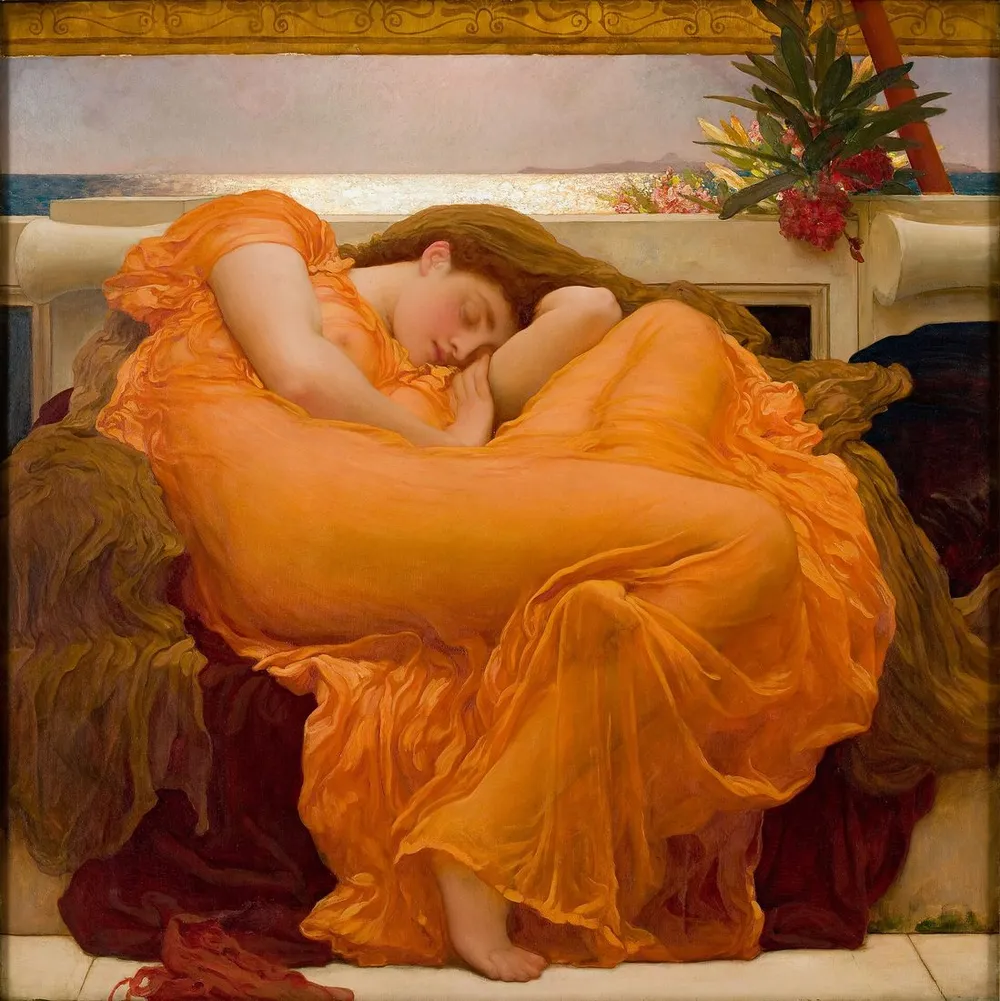
  19. Flaming June by Frederic Leighton (c. 1895)

    Sonnet 19

    late bloom

    some flowers open early; some come late,
    and no one asks the late ones to explain;
    the sun does not keep time, it does not rate
    the blossom by its season, drought, or rain.

    you were not slow; you were a different seed,
    one that sank roots before it showed a leaf;
    and what looked like delay was just the need
    of rooting, and a long, unseen belief.

    so do not measure by another's spring
    the hour of your own becoming bright;
    each living thing has its own time to sing,
    and yours will come, and fill the evening light.

    so bloom when you are ready; there's no race:
    the sun will find you in your proper place.

    Pictured: Flaming June, Frederic Leighton

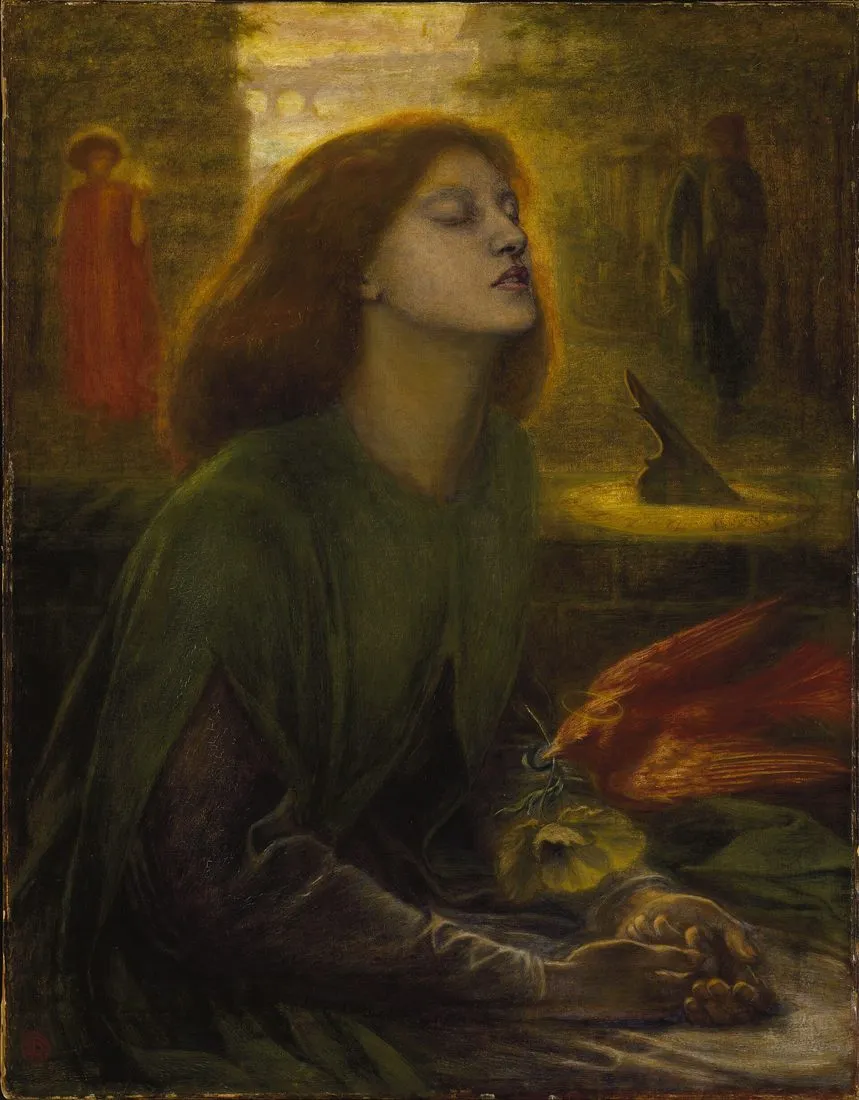
  20. Beata Beatrix by Dante Gabriel Rossetti (c. 1864 to 1870)

    Sonnet 20

    the mirror

    you look into the mirror, and you find
    a list of things you promised to repair;
    but softer eyes would see, if they were kind,
    a face that has been brave, and still is there.

    the lines are where the weather has been true,
    the shadows are the nights you stayed awake;
    and every mark, if you could see it through,
    is proof of what you carried for love's sake.

    so look as you would look upon a friend,
    with no list in your hand, no cause to blame;
    and let the looking be a way to mend,
    and call yourself, for once, by your own name.

    to love is first of all to look, and stay:
    begin with that one face, and look today.

    Pictured: Beata Beatrix, Dante Gabriel Rossetti

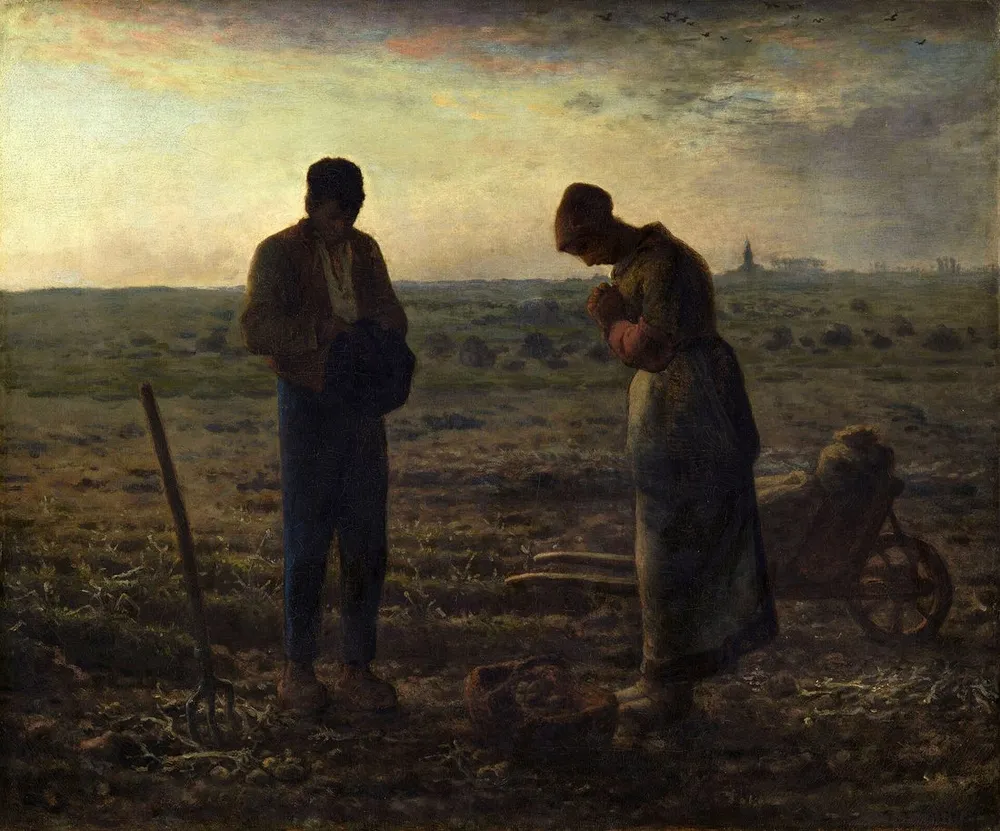
  21. The Angelus by Jean-François Millet (1857 to 1859)

    Sonnet 21

    enough

    you are enough before you've done a thing,
    before the list, before the work, the name;
    the sparrow does not earn the right to sing,
    the river doesn't need a prize or fame.

    you were not made to prove, but to exist,
    to hold the light, the way a window can;
    you may lay down the ladder and the list,
    and be the thing the morning first began.

    so rest inside that plain and quiet fact:
    you are a being, not a thing to sell;
    and love that must be earned is just a pact,
    not love at all; and you can know it well.

    you are enough; begin from there, and grow:
    the root already knows what you will know.

    Pictured: The Angelus, Jean-François Millet

  22. The Blind Girl by John Everett Millais (1854 to 1856)

    Sonnet 22

    shelter from the rain

    the rain is on the roof, and you are warm,
    and nothing in the world requires your name;
    the kettle hums, a small and quiet storm
    of comfort, and no hurry is to blame.

    there is no failing in a day of rest,
    no sin in letting every plan lie still;
    you give the world, by being held, your best,
    and healing finds you, as it always will.

    let others race beyond the window glass,
    and let the weather do its work outside;
    the hours are a river; let them pass,
    and be the shore, and let yourself abide.

    to be your own shelter is no small art:
    a roof, a lamp, a voice, a quiet heart.

    Pictured: The Blind Girl, John Everett Millais

  23. The Lady of Shalott by John William Waterhouse (1888)
    Sonnet 23

    the apology you owe yourself

    there is an apology long overdue,
    and it is owed by you, and to yourself:
    for every harsh word that you ever threw
    at the tender one you left upon a shelf.

    say sorry to the child who tried so hard,
    and to the one who stumbled and was blamed;
    say sorry for the gate you kept on guard
    against the love you wanted, though ashamed.

    forgive the years you did the best you could
    with what you knew, which was not very much;
    a heart that learns is better understood
    by patience, and a long and tender touch.

    so say it plain: i'm sorry; and begin
    to be the one who lets yourself come in.

    Pictured: The Lady of Shalott, John William Waterhouse
  24. Wanderer above the Sea of Fog by Caspar David Friedrich (c. 1818)

    Sonnet 24

    small steps

    the mountain is not climbed in a single leap,
    but in the quiet, ordinary pace
    of one foot placed, then one, and then some sleep,
    and morning, and the next unhurried place.

    so count the little things, and count them well:
    a bed made, and a window open wide,
    a walk, a glass of water, and a spell
    of sitting still with all you feel inside.

    no step is small if it is yours to take;
    no distance is too long for steady feet;
    the road is made of every choice you make,
    and every rest that makes the walk complete.

    you're further than you were; look back and see
    the path that proves what you are learning to be.

    Pictured: Wanderer above the Sea of Fog, Caspar David Friedrich

  25. The Monk by the Sea by Caspar David Friedrich (1808 to 1810)

    Sonnet 25

    learning to stay

    you learned to leave yourself when things went wrong,
    to look away from every aching part;
    but now, at last, you're learning to belong
    to the whole house, and to the whole of your heart.

    to stay is not to suffer; it is care:
    to sit beside the feeling, near and still,
    to say, i'm here, and listen, and be there,
    until the storm has had its say, its fill.

    you will not always know the way inside,
    and sometimes you will want to slip away;
    but every time you stay, you are a guide
    who learns the dark, and brings it into day.

    so stay with what is here, and be the home
    you've looked for in a thousand rooms, alone.

    Pictured: The Monk by the Sea, Caspar David Friedrich

  26. Autumn Leaves by John Everett Millais (1855 to 1856)

    Sonnet 26

    what the winter taught

    the winter is the season of the root,
    the quiet when the branches are laid bare;
    you've had a winter, too, and it was mute,
    and no one saw the work you did down there.

    a tree does not apologize for snow,
    nor call its empty branches a defeat;
    it trusts the hidden work, and lets it grow,
    and keeps the spring in secret, till complete.

    so honor now the stillness of your own,
    the months you did not bloom, nor reach, nor climb;
    what looked like nothing was a seed being sown,
    and what was slow was only taking time.

    the thaw will come, as surely as the sun:
    be patient; what lay frozen is not done.

    Pictured: Autumn Leaves, John Everett Millais

  27. Flaming June by Frederic Leighton (c. 1895)

    Sonnet 27

    the quiet yes

    there is a quiet yes inside your chest,
    beneath the noise of what you ought to be;
    it says: you may be tired; you may rest;
    you may be someone slow, and still be free.

    it says: you do not have to earn your place,
    nor prove your worth with every working hour;
    there is no need to run a frantic race
    to bloom into your own unhurried flower.

    so listen for that yes, however low,
    until it's louder than the voice of should;
    it is the oldest wisdom that you know,
    the gentle one that says: you're doing good.

    say yes to who you are, and be at peace:
    the quiet yes is where the fears all cease.

    Pictured: Flaming June, Frederic Leighton

  28. The Starry Night by Vincent van Gogh (1889)

    Sonnet 28

    begin again

    you are allowed to start again today,
    though yesterday was heavy, and last year;
    the sun does not hold grudges, and the gray
    of morning always makes the new light clear.

    the page is not a lie, because it's new;
    it's mercy, written in a quiet hand;
    you need not carry what you've carried through
    to prove the weight, or make the world understand.

    so lift your face, and take the morning in,
    and let the old regret be left behind;
    each breath is one more chance to begin,
    and every dawn is generous, and kind.

    begin again, as dawn begins, with grace:
    the light has never once refused a face.

    Pictured: The Starry Night, Vincent van Gogh

how we treat your email

We use your email only to send you what you asked for: the free guide, the letters you subscribe to, and the occasional note from Arcadia. We don’t sell or share your address.

Every email has an unsubscribe link, and you can ask us to delete your address at any time by replying to any message.